
Decoração e enfeites: pequenos detalhes que mudam tudo
Why Decoration Transforms Any Environment
Decoration is much more than just making a house look pretty. It is the way you express who you are — and how the space around you affects how you feel.
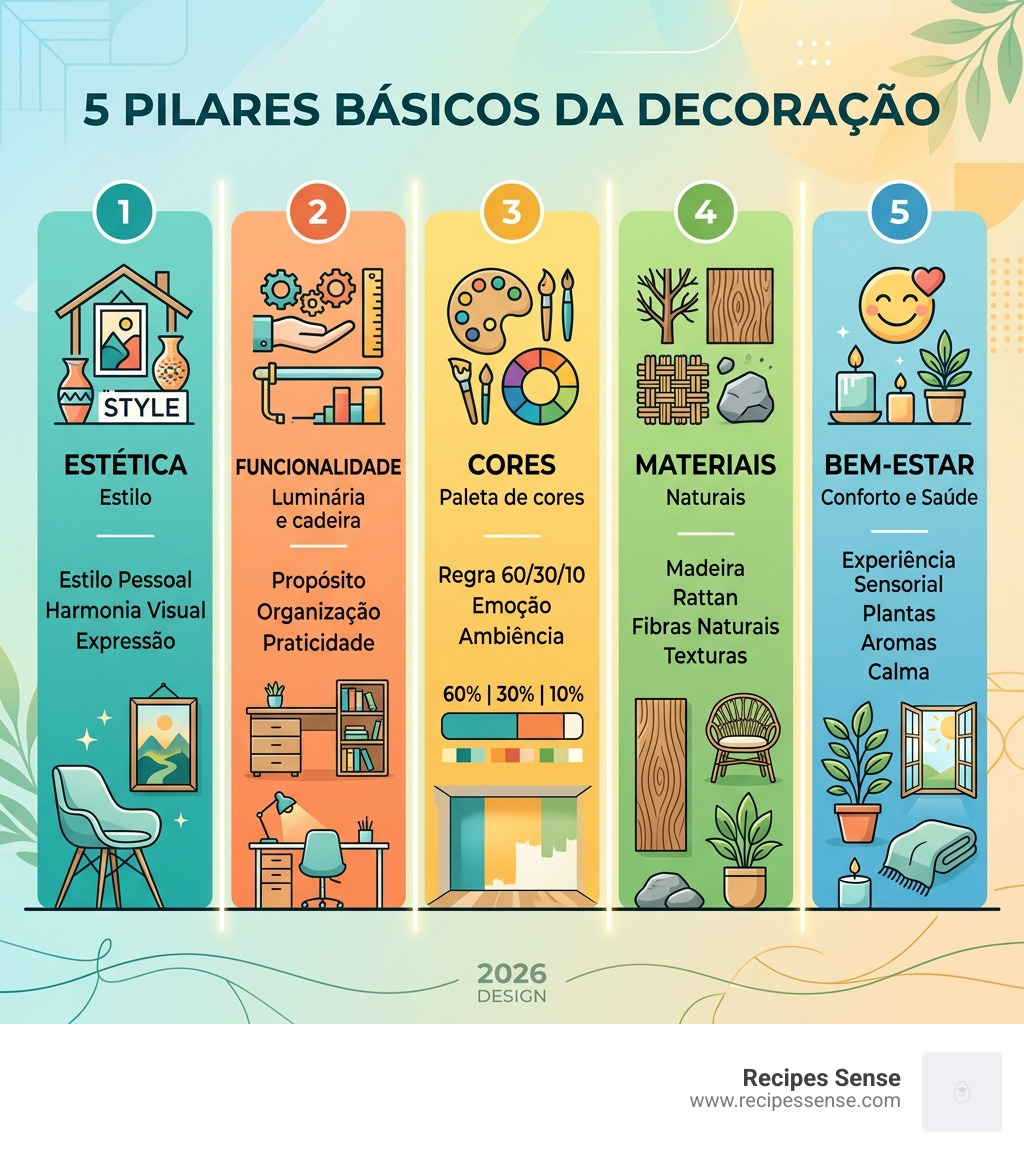
Want to start decorating your home? Here are the essential points:
- Aesthetics — choose a style that matches your personality (minimalist, boho, Japandi, etc.)
- Functionality — each piece should have a purpose beyond the visual
- Colors — use the 60/30/10 rule: 60% dominant color, 30% secondary, 10% accent
- Materials — bet on wood, rattan, and natural fibers for durability and warmth
- Lighting — combine layers of light between 2700K and 4000K to create coziness
- Well-being — scents, textures, and plants transform the sensory experience of the home
The good news? You don’t need a big budget to start. Small changes — a different pillow, a well-placed mirror, a plant in an empty corner — already change everything.
Decorating is a process. The house takes shape over time, as you live in it and understand what it needs.
Decoration Trends for 2026: Colors and Styles
We are in May 2026, and interior design has never been so vibrant and sensory. This year’s trends reflect a deep search for balance between futuristic technology and organic comfort. If you are looking to update your decoration, the colors of the year are the ideal starting point.
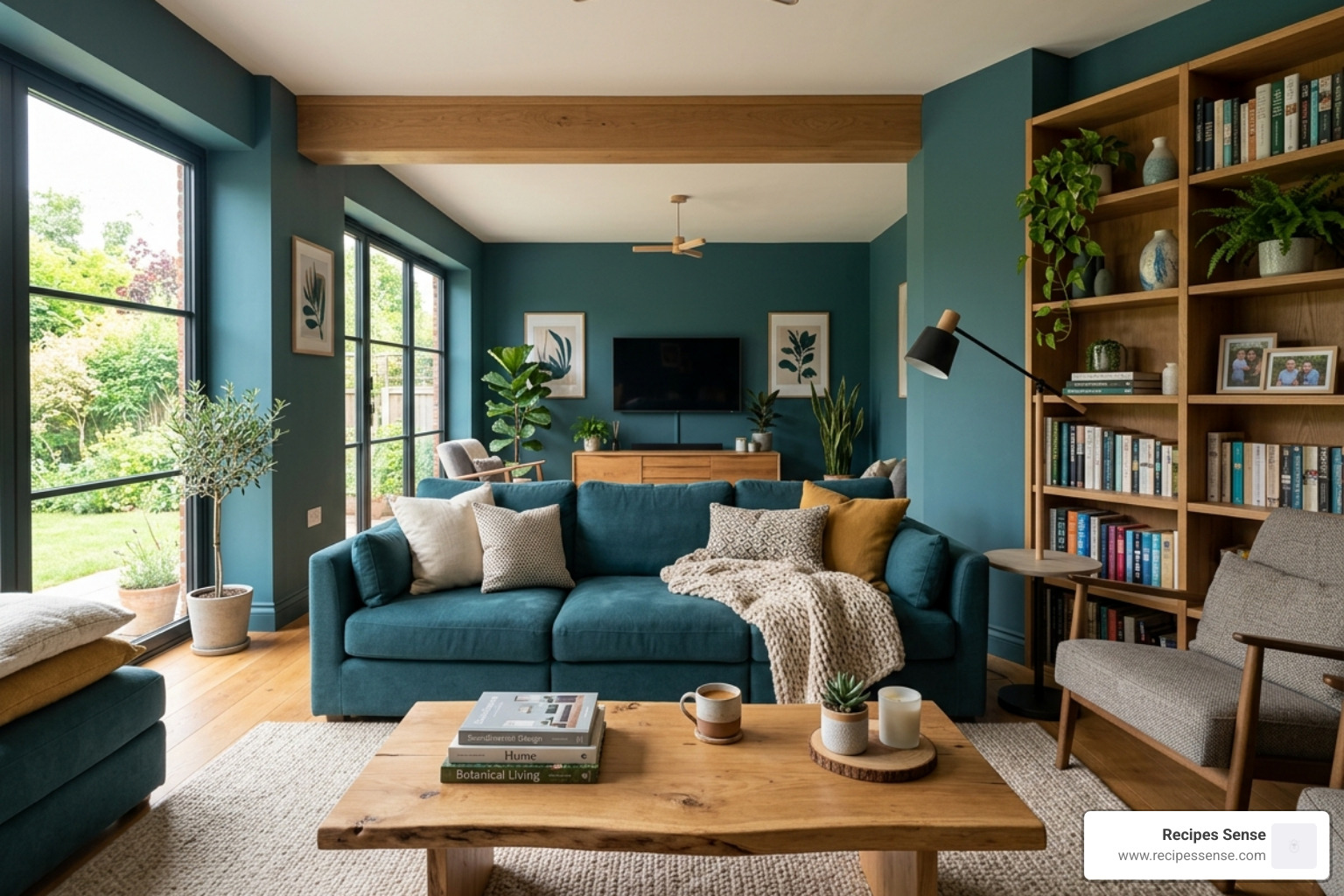
Cloud Dancer, a soft and ethereal white tone from Pantone, dominates the walls to create “clean” environments that don’t feel cold, but rather welcoming. In contrast, Transformative Teal (elected by WGSN) brings a blue-green depth that evokes renewal and calm, working perfectly on statement furniture or accent walls.
The styles defining 2026 include:
- Japandi: The perfect fusion between Japanese minimalism and Scandinavian functionality. It is the ideal style for those seeking visual peace, using few but high-quality pieces.
- Modernized Art Deco: The glamour of the 20s returns with geometric lines, but now mixed with sustainable materials and brushed metals.
- Sensory Minimalism: Fewer objects, but with textures that invite touch, such as wool, bouclé, and natural wood.
- Contemporary Boho: A more refined version of the classic bohemian, focusing on luxury craftsmanship and natural fibers.
- Biophilia: More than just placing plants, it is about integrating nature into architecture, using abundant natural light and materials that “breathe.”
How to Plan Your Project: Colors, Materials, and Budget
Planning decoration requires strategy to avoid impulse purchases that don’t match. We recommend starting by defining the color palette. The 60/30/10 rule is foolproof: choose a dominant color (60% of the space, usually walls and floors), a secondary color (30% for larger furniture and curtains), and an accent color (10% for accessories, pillows, and decorative objects).
In 2026, natural materials are the protagonists. Dark wood has returned with full force, bringing a classic elegance that contrasts beautifully with burnt concrete — a technical trend that remains high for its industrial aesthetic and ease of maintenance. Materials like rattan and cane are essential to provide lightness and that “country house” touch in urban apartments.
| Material | Durability | Main Aesthetic | Maintenance |
|---|---|---|---|
| Natural Wood | Very High | Warm / Elegant | Medium (requires varnish/oil) |
| Rattan / Straw | Medium-High | Light / Organic | Low (dusting) |
| Burnt Concrete | High | Industrial / Modern | Low (waterproofing) |
| Synthetics (Laminates) | Medium | Versatile | Low (damp cloth) |
The psychology of colors in decoration
Colors don’t just fill the space; they dictate the mood of the residents. Neutral tones like beige and light gray promote visual balance and are the perfect base for coziness. Meanwhile, deep green can reduce stress, while terracotta tones bring energy to social areas. In the bedroom, prioritize tones that induce relaxation, avoiding very vibrant colors near the headboard.
Financial planning for durable furniture
A common mistake is spending the entire budget on small ornaments and saving on what really matters. Our advice is to prioritize investment in “structural pieces”:
- Sofa: It is the king of the living room. It must be comfortable and have a resistant fabric.
- Bed and Mattress: Essential for your health and well-being.
- Dining Table: A meeting point that must withstand daily use for years.
Save on fashion items, such as pillow covers, vases, and small objects that can be easily swapped as trends change.
Lighting and Organization by Room
Lighting is the invisible pillar of decoration. It can make cheap furniture look luxurious or destroy the mood of a planned environment. The golden rule in 2026 is to work with layers of light:
- General Light: Ceiling lights or LED panels to illuminate the whole space.
- Task Light: Desk lamps in the office or LED strips under kitchen cabinets.
- Accent Light: Sconces or spots directed at paintings and wall textures.
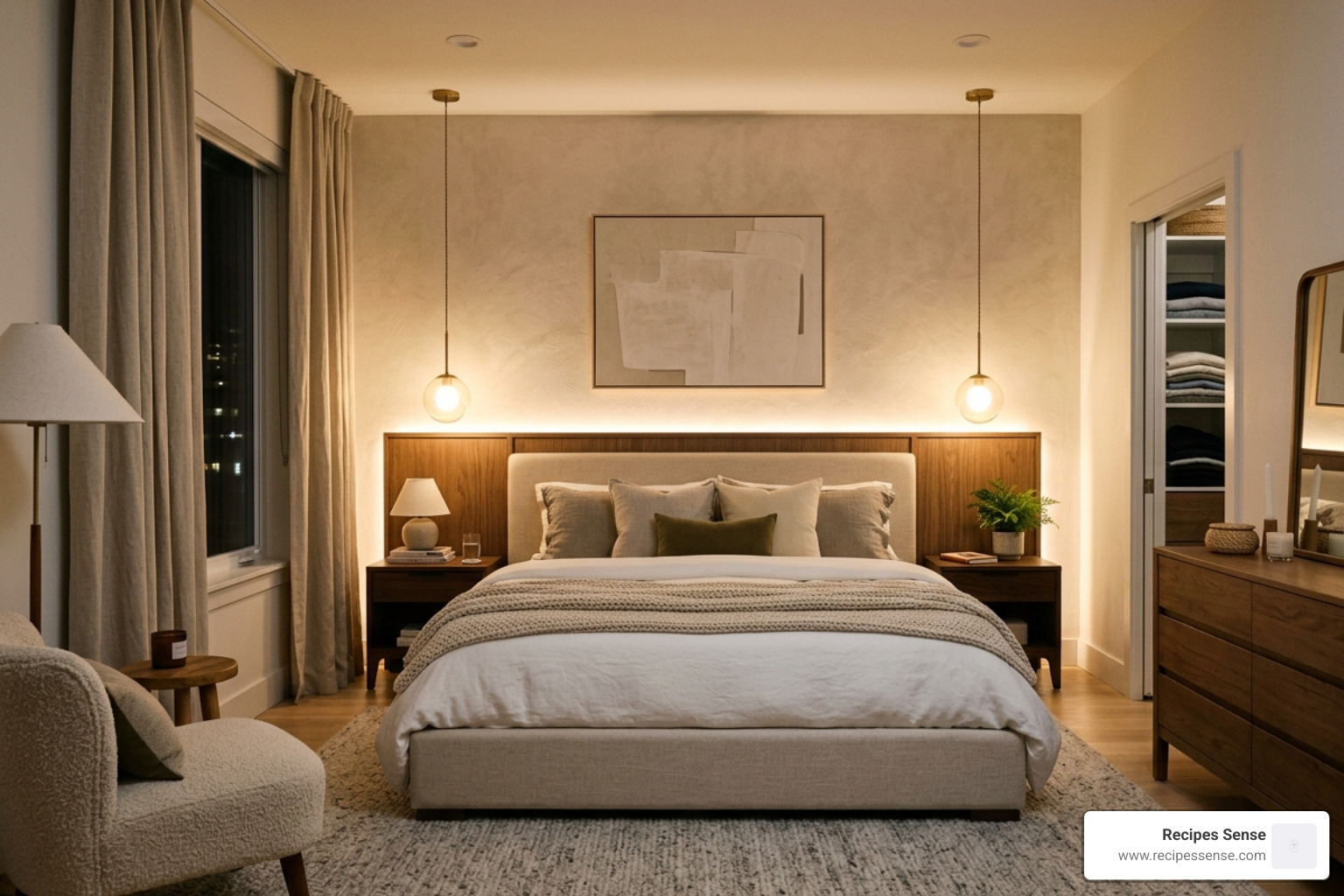
The recommended color temperature for homes varies between 2700K (warm white) for living rooms and bedrooms, creating a cozy refuge, and up to 4000K (neutral white) for kitchens and bathrooms, where visibility is a priority.
Essential decoration items for every room
To transform a house into a home, some items are indispensable:
- Pillows and Throws: Instantly add texture and color to the sofa.
- Rugs: Define spaces and improve acoustics. In 2026, rugs made of natural fibers or with organic shapes are at the top of searches.
- Scents: Scented candles and diffusers with notes of vanilla or Sicilian lemon create a complete sensory experience.
- Frames and Art: Reflect your history. Mixing personal photos with abstract art is a great way to personalize.
Maximizing small spaces with mirrors
If you live in a compact apartment, mirrors are your best friends. They don’t just serve to check your look; they create a perception of amplitude and double the brightness. Use large mirrors (like 70cm x 1.80m) leaning against the wall or models with organic shapes for a touch of modern sophistication.
Affordable Solutions and DIY to Transform Your Home
Decorating on a budget is entirely possible through “DIY” (Do It Yourself). Upcycling — giving a new purpose to old furniture — is a very strong sustainable trend. A coat of enamel paint or changing the handles can transform an old dresser into a design piece.
Other quick solutions include:
- Indoor Plants: The cheapest way to bring life. Use pots of different heights to create a “green corner.”
- Adhesive Wallpaper: Ideal for those who rent, as it allows for a visual refresh without holes or mess.
- Organizer Hooks: Adhesive solutions that organize the home entrance with style.
Creative and low-cost decoration items
In the search for personality, fun items make a difference. Think of retro doormats, USB lamps in unusual shapes (like astronauts or moons), and magnetic organizers. These details bring a smile to your face and show that the house has a soul.
Celebrating 2026: New Year’s Decoration
To welcome 2026 in style, New Year’s decoration calls for a mix of tradition and futurism. The classic White and Gold never fails to attract prosperity, but the trend for this turn is Futuristic Silver, using metallic elements and neon LED lights.
For an impeccable table setting:
- Use metallic sousplats to give hierarchy to the plates.
- Scatter metallic balloons with the numbers “2026” as a focal point for photos.
- Create centerpieces with fresh fruit and green branches for a tropical and fresh touch, ideal for the summer.
Frequently Asked Questions about Decoration
Where should I start decorating my home?
Start with cleaning and organization. Define a style and a color palette. First, invest in large furniture (sofa, bed) and then add layers of decoration such as rugs, curtains, and smaller objects.
How to make a small room look bigger?
Use light colors on the walls, use strategically placed mirrors, and keep the floor as clear as possible. Furniture with “tapered legs” or suspended pieces help create a sense of continuity on the floor.
What is the best light temperature for the living room and bedroom?
Warm light (2700K to 3000K) is the best choice. It relaxes the eyes and prepares the body for rest, making the environment much more inviting.
Conclusion
The decoration of your home is a direct reflection of your journey. By focusing on the harmony between colors, textures, and lighting, you are not just furnishing a space, but creating a sanctuary of well-being. The small details — that special scent when entering the room or the soft touch of a throw — are what truly transform a building into a home.
At Recipes Sense, we believe that every object should awaken a sense. Explore our curation and find the ornaments you need to make your home look like you.
Awakened senses and satisfied palate: find the best decoration items at Recipes Sense
