
What “Alface in English” Actually Means (And Why It Matters in the Kitchen)
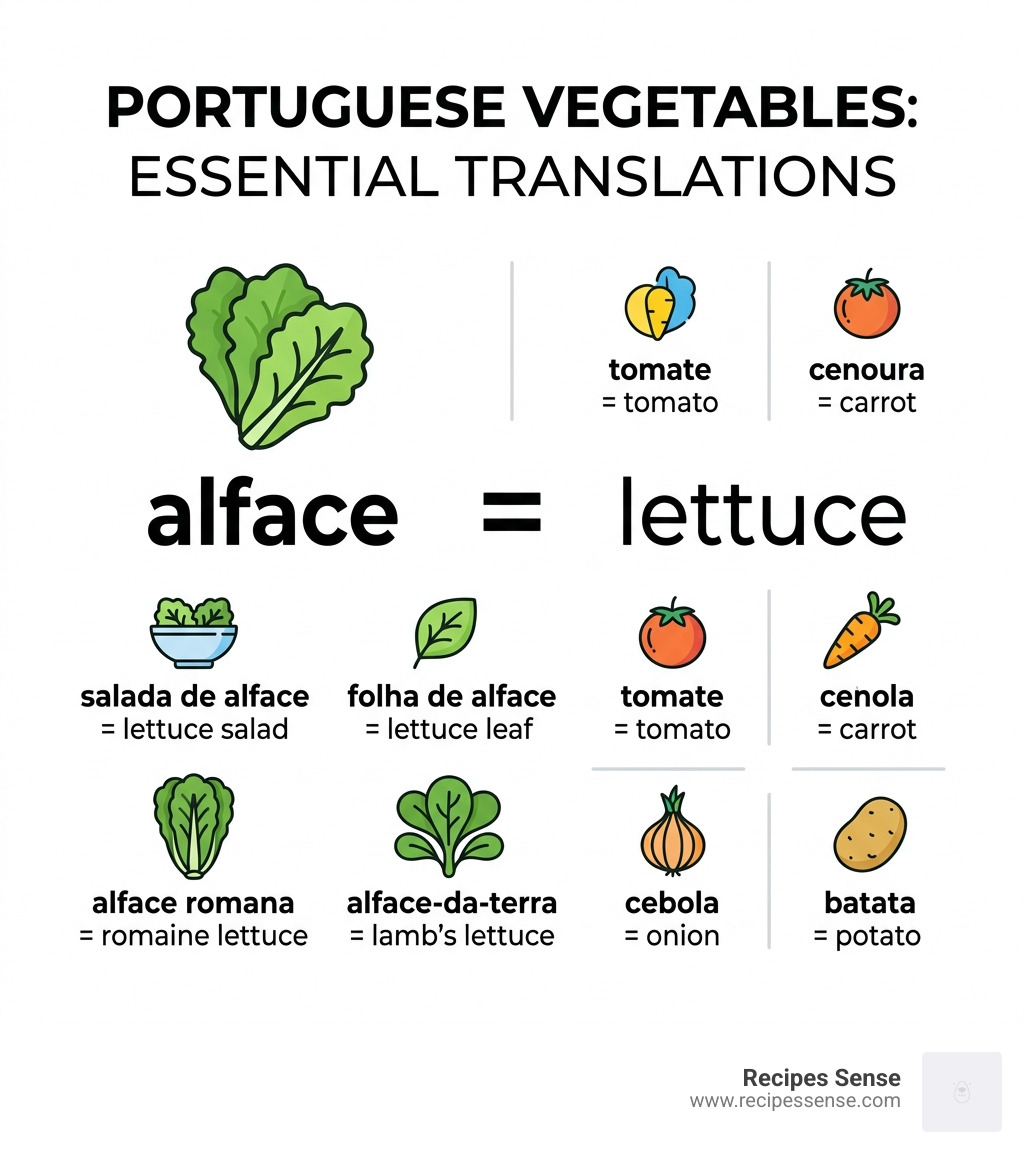
Alface in english translates to one simple word: lettuce.
| Portuguese | English | Grammar |
|---|---|---|
| alface | lettuce | feminine noun |
| salada de alface | lettuce salad | – |
| folha de alface | lettuce leaf | – |
| alface romana | romaine lettuce | – |
| alface-da-terra | lamb’s lettuce | – |
That’s the quick answer. But there’s a lot more to this humble leafy green than a one-word translation. Understanding the nuances of culinary vocabulary is essential for anyone looking to master international cuisines or simply navigate a foreign grocery store with confidence.
Whether you’re following a Portuguese recipe, shopping at a Brazilian market, or just picking up a new language, knowing exactly what alface means — and how it’s used — makes your time in the kitchen much easier. At Recipes Sense, we believe that the right words are just as important as the right ingredients. Our mission is to blend sensory appeal with practical knowledge, helping you create a home environment that is both functional and beautiful.
The word shows up everywhere in Portuguese cooking. You’ll see it on menus, in grocery stores, and in everyday conversation. And once you know it means lettuce, a whole world of simple, fresh recipes opens up. From the crisp bite of a Caesar salad to the delicate leaves used in traditional soups, alface is a versatile powerhouse.
In this guide, we’ll cover everything from pronunciation and grammar to the different varieties of alface, how it’s used in meals, and where the word actually comes from.
Understanding Alface in English and Its Primary Meaning
At its core, the primary meaning of alface in english is the common garden lettuce, a leaf vegetable that serves as the backbone of salads worldwide. When you look at a Portuguese to English Dictionary, you will find that it identifies the term as a general name for plants within the Lactuca genus.
In the context of a Portuguese-English dictionary, the word is almost always associated with culinary use. It describes a “vegetal que se come em salada” (a vegetable eaten in salads). Whether you are ordering a salada de alface in a Lisbon café or buying a head of lettuce in a London supermarket, the vegetable remains the same, even if the sounds we use to describe it change.
Grammatical Gender and Usage
One of the most important things for English speakers to grasp is that Portuguese nouns have gender. Alface is a feminine noun. This means you should always use feminine articles and adjectives with it.
For example:
- A alface (The lettuce)
- Uma alface fresca (A fresh lettuce)
- As alfaces (The lettuces)
Using the masculine “o alface” is a common mistake for learners, but sticking to the feminine “a” is the grammatically correct way to go. According to the LingQ Dictionary, understanding this gender is key to building proper sentence structures, such as “Temos um pouco de alface que sobrou” (We have a little lettuce left over).
Botanical Classification and Varieties
Beyond the dinner plate, alface has a scientific identity. According to Wiktionary, it is botanically known as Lactuca sativa. It belongs to the Cichorieae tribe within the sunflower family (Asteraceae). This botanical connection explains why some varieties of lettuce can have a slightly bitter edge, similar to other members of the sunflower family.
While we often think of it as a single plant, the genus Lactuca actually contains dozens of species. However, the one we grow in our gardens and find in our shops is almost exclusively Lactuca sativa. For those interested in home gardening as of May 2026, cultivating alface is relatively simple; it thrives in cooler temperatures and requires consistent moisture to prevent the leaves from becoming bitter. If you are planning a kitchen garden, consider planting different varieties in stages to ensure a continuous harvest throughout the spring and autumn months.
Common Varieties of Alface in English
Not all lettuce is created equal. When you are shopping, you’ll encounter several specific types. In Portuguese, these varieties often have distinct names that you’ll need to recognize to ensure you get the right texture for your dish.
| Portuguese Name | English Translation | Characteristics |
|---|---|---|
| Alface romana | Romaine lettuce (or Cos) | Long, sturdy leaves; used in Caesar salads for its crunch. |
| Alface americana | Iceberg lettuce | Crisp, tightly packed head with high water content and mild flavor. |
| Alface-da-terra | Lamb’s lettuce (Mâche) | Small, nutty-flavored dark green leaves; very delicate. |
| Alface fatiada | Shredded lettuce | Often found in tacos or burgers; convenient for quick prep. |
| Alface lisa | Butterhead / Boston lettuce | Smooth, soft leaves with a buttery texture and subtle sweetness. |
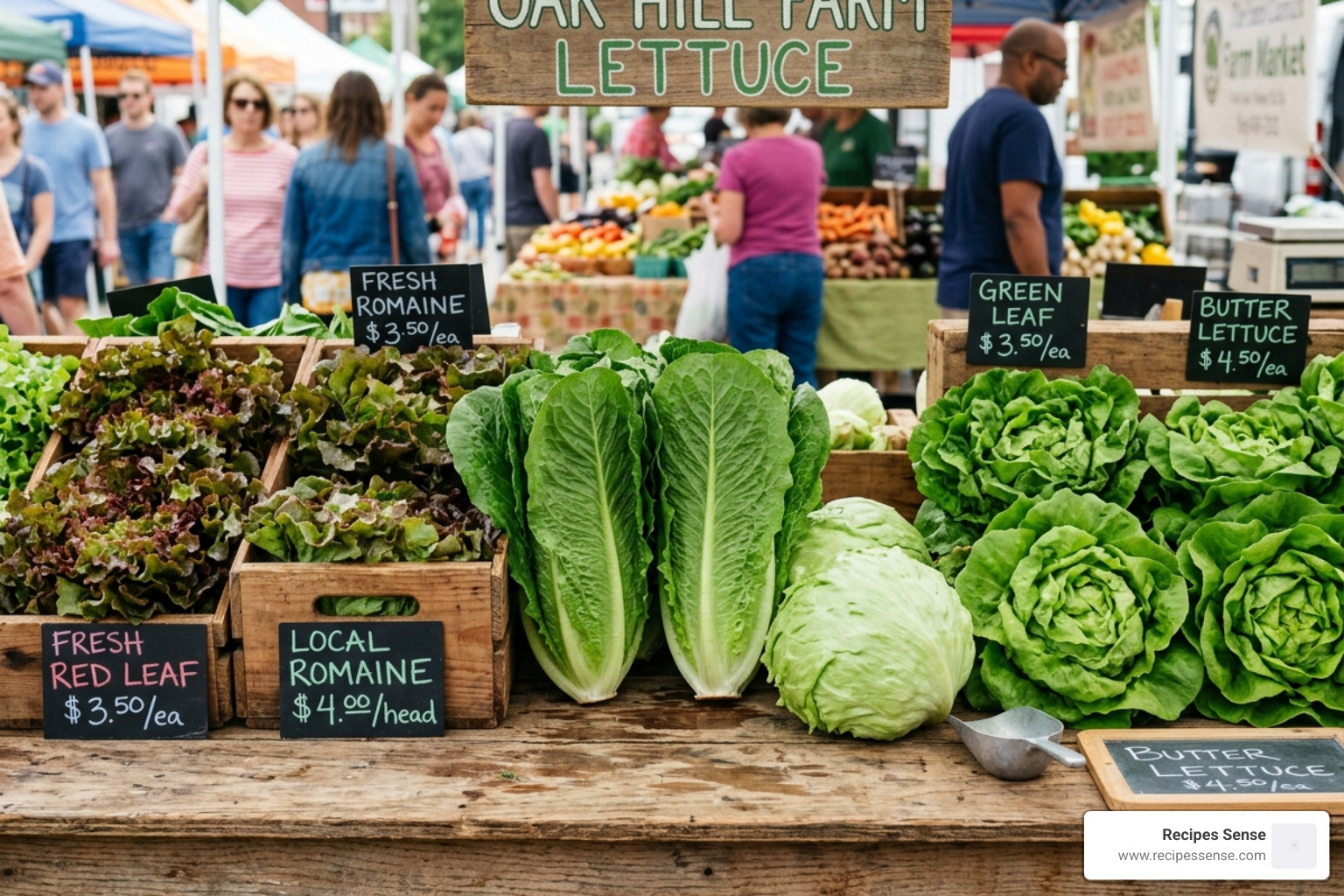
As noted in the WordReference Dictionary, terms like “cos lettuce” are specifically used in British English for what Americans (and Brazilians) typically call “romaine.” Knowing these regional differences is vital for following international recipes accurately.
Nutritional Profile and Culinary Uses
Is lettuce just “crunchy water”? Not quite! While it is low in calories, it contributes valuable nutrients to our diet. Interestingly, research indicates that lettuce contains 0.00 mg of magnesium per 100g, but it is a source of other vital components like Omega-3 fatty acids, which are also found in spinach and broccoli. It is also rich in Vitamin K and Vitamin A, making it a powerhouse for bone health and vision.
In the financial and agricultural world, alface is a significant commodity. Statistics from the IPC-DI in April showed that alface was a highlight of price decreases (-4.45%), alongside tangerines and apples, while tomatoes saw a sharp increase. This makes it a budget-friendly staple for healthy eating in May 2026. This affordability, combined with its high nutritional density, makes it an essential part of a balanced lifestyle.
Culinary Applications for Alface in English
We use alface in english contexts in a variety of ways that go far beyond a simple side salad. Here are some of the most popular culinary applications that highlight its versatility:
- The Salad Base: The most common use. Whether it’s a simple green salad or a complex Cobb salad, lettuce provides the volume and crunch. Mixing different varieties can add depth to the flavor profile.
- Sandwich Topping: From a classic BLT (Bacon, Lettuce, and Tomato) to a deli sub, a leaf of alface adds freshness and a necessary textural contrast to soft bread and savory meats.
- Low-Carb Wraps: A modern health trend involves “substituir o pão com alface” (replacing bread with lettuce) to create wraps for burgers or tacos. This is a great way to reduce calorie intake while maintaining a satisfying crunch.
- Garnish: Used to beautify plates in professional catering, providing a pop of vibrant green color that enhances the visual appeal of any meal.

Pro Tip: Always remember to “hygienize” or wash your alface thoroughly before consumption. In many Portuguese-speaking regions, it is common to soak the leaves in a mixture of water and a food-safe disinfectant to ensure they are clean. After soaking, use a salad spinner to remove excess water, as dry leaves allow dressings to adhere much better, resulting in a more flavorful salad.
Linguistic History and Pronunciation
The history of the word alface is a fascinating journey through time and geography. It didn’t just appear in the Portuguese language out of nowhere. It is inherited from Old Galician-Portuguese alfaça, which was borrowed from the Arabic al-ḵass.
Going even further back, the roots are found in Sumerian and Akkadian. This makes the word a “cognate” with the Maltese word ħass. Historical records show the word being used in Portuguese as early as the 16th century. It is a testament to how trade and cultural exchange shaped the way we talk about food.
Pronouncing Alface in Portuguese
If you want to sound like a local when asking for lettuce, you need to master the pronunciation. It varies slightly between Brazil and Europe.
- Brazilian Portuguese: The pronunciation is typically [awˈfa.si]. The ‘l’ has a ‘w’ sound, and the final ‘e’ is pronounced like a soft ‘ee’.
- European Portuguese: In Portugal, the pronunciation is closer to [alˈfasɨ]. The ‘l’ is more pronounced against the roof of the mouth, and the final ‘e’ is almost silent or “reduced.”
According to phonetic guides found in Wiktionary, the stress is always on the second syllable (“FA”).
Frequently Asked Questions about Alface
What is the most common translation for alface?
The most common and direct translation for alface in english is lettuce. This applies to the general plant and the culinary ingredient used in salads and sandwiches.
How do you say “pé de alface” in English?
In Portuguese, a “pé de alface” refers to a whole “head of lettuce.” If you are talking about the plant while it is still in the ground, you might also call it a “lettuce plant.” In a grocery store, you would typically ask for a “head of lettuce.”
Are there specific idioms involving alface in Portuguese?
While not as common as idioms involving “bread” or “meat,” you might hear “mão de alface” (lettuce hand) in Brazilian slang, particularly in sports like football. It refers to a goalkeeper who has “weak” hands and fails to catch the ball—much like a soft leaf of lettuce! Another common expression is “ficar com cara de alface,” which means to look pale or sickly.
How should I store alface to keep it fresh?
To keep your lettuce crisp, wash it, dry it thoroughly, and store it in the refrigerator in a perforated plastic bag or wrapped in paper towels. This helps maintain the right moisture balance, preventing the leaves from wilting or becoming slimy too quickly. Proper storage can extend the life of your greens by several days.
Conclusion
At Recipes Sense, we believe that understanding the language of food is the first step toward a more vibrant and flavorful lifestyle. Our focus on the Portuguese language and sensory appeal—”Sentidos despertos, paladar satisfeito”—drives us to provide guides like this one to help you navigate the culinary world with confidence.
Whether you are looking for the right alface in english translation for a recipe or exploring our range of kitchen utilities and gifts, we are here to help you blend tradition with modern living. As of May 2026, the humble lettuce remains a symbol of freshness and health in both Portuguese and English-speaking kitchens.
For more info about our products and recipes, explore our site and discover how we bring taste and style together. Happy cooking!
